




FLEXOLT on-farm opportunities
Effective lice control in long wool – even pre‑lambing
When lice are found on ewes that are soon to lamb, lice management strategies are more complex than those for a mob not due to lamb. Flexolt gives powerful lice control without the need for shearing — protecting your ewes, your lambs, and your bottom line.
| SAVE MONEY | SAVE TIME (now & in future) | LESS STRESS |
| Fewer doses to treat your flock — no shearing required | Avoid treating lambs and simplify your lice management program | Minimise stress on heavily pregnant ewes by eliminating the need to shear |
Understanding Lice Control During Pre-Lambing
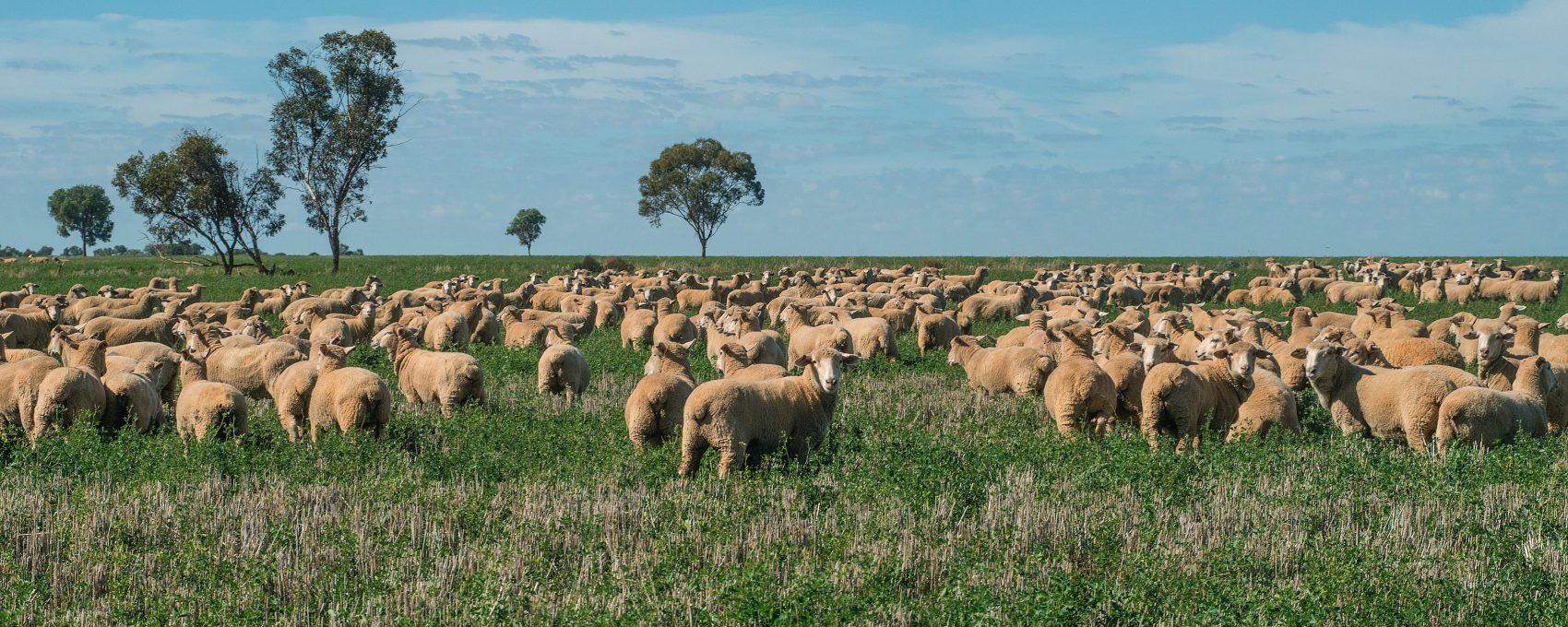
When lice are detected on ewes that are soon to lamb, lice management becomes significantly more complex.
This is because:
- Shearing and dipping pregnant ewes is not an ideal management option
- Backline treatments take at least 6 weeks to kill all lice
- Insect growth regulator (IGR) compounds take even longer
Key Risk: There is potential for lice to spread from treated ewes to untreated newborn lambs. Once the protective effect of the ewe treatment wears off, lice-infected lambs can re-infest ewes — continuing the infestation cycle. This risk is compounded when lambing extends over a prolonged period.
Flexolt – The Pre-Lambing Advantage
Flexolt can be used up to 4 weeks prior to lambing and still achieve effective lice control.
Feature | Flexolt | Standard Backline/Dip |
|---|---|---|
| Shearing required | No | Yes |
| Weeks required before lambing | 4 weeks | 6+ weeks |
| Stress on pregnant ewes | Lower | Higher |
Flexolt can be administered alongside other routine pre-lambing treatments, such as a clostridial vaccine booster — streamlining your pre-lambing program.
Combining Flexolt with Your Pre-Lambing Program

Flexolt can be conveniently administered alongside:
✅ Clostridial vaccine boosters
✅ Other routine pre-lambing health treatments
If an anthelmintic (worm drench) also needs to be administered as part of your pre-lambing management, please contact your local MSD Animal Health representative or call 1800 226 511 before proceeding.
Handling Heavily Pregnant Ewes Safely
If you must handle or treat heavily pregnant ewes, minimising stress is critical. Follow these best-practice guidelines:
Handling & Movement
- Work as calmly as possible with heavily pregnant ewes
- Limit stress as far as possible during all handling activities
- Drive ewes calmly to and from handling facilities
- Keep the distance to handling facilities as short as possible
- Ensure handling facilities are of a standard that allows calm, safe work
- Avoid bruises or injuries during handling
Feed & Water
- Water must be available nearby at all times
- Reduce time off feed to the shortest period possible
- If ewes must spend the night in a pen in exceptional circumstances, ensure fresh drinking water and hay are available